
The Night You Notice It
It's usually the first real storm of the season. You pull into the driveway, hit the remote, and instead of the smooth glide you're used to, the door shudders, groans, or hesitates halfway up. Maybe you notice a thin line of water creeping under the door the next morning, or a layer of gritty dust that's turned to grime along the bottom panel. After a long dry summer full of dust and the occasional wildfire smoke haze, that first good rain finds every weak spot your garage door has been hiding.
Fall is the natural turning point here. The dry season leaves behind dust and debris packed into tracks, rollers, and hinges. Once the rain starts and temperatures swing between cool mornings and mild afternoons, that buildup turns into grime, metal parts contract and expand, and anything that was marginal in August becomes a real problem in December. A little attention now saves you from dealing with a stuck or noisy door in the middle of a storm.
Clear Out the Summer Dust Before It Turns to Grime
Wipe down the tracks, rollers, and hinges with a dry cloth first to get rid of loose dust and cobwebs. Dust mixed with moisture creates a gritty paste that grinds down rollers and bearings over time. Once the tracks are clean, check for any dents or misalignment — a track that's slightly bent won't show its problems until a heavier, wetter door is trying to roll through it.
Lubricate the Moving Parts
After months of dry heat, most garage door hardware is due for fresh lubrication anyway. Use a silicone-based garage door lubricant (not WD-40, which attracts dust rather than repelling it) on the rollers, hinges, and the springs themselves. This does two things: it quiets down squeaks and grinding, and it helps prevent the rust that shows up fast once regular rain starts hitting metal parts that have been sitting dry all summer.
Check the Weatherstripping and Bottom Seal
The rubber seal along the bottom of the door is your first line of defense against winter rain, and after a hot, dry summer it's often cracked, flattened, or pulling away from the track. Run your hand along it — if it's stiff or has visible gaps, water and debris will find their way in during the first heavy rain. Replacing this seal is inexpensive and one of the highest-value things you can do before the rainy season really sets in. If you have an older wood garage door, also check the panel seams and any exposed wood for cracking or swelling, since wood doors are especially sensitive to the dry-to-wet transition.
Test the Balance and Listen for Spring Trouble
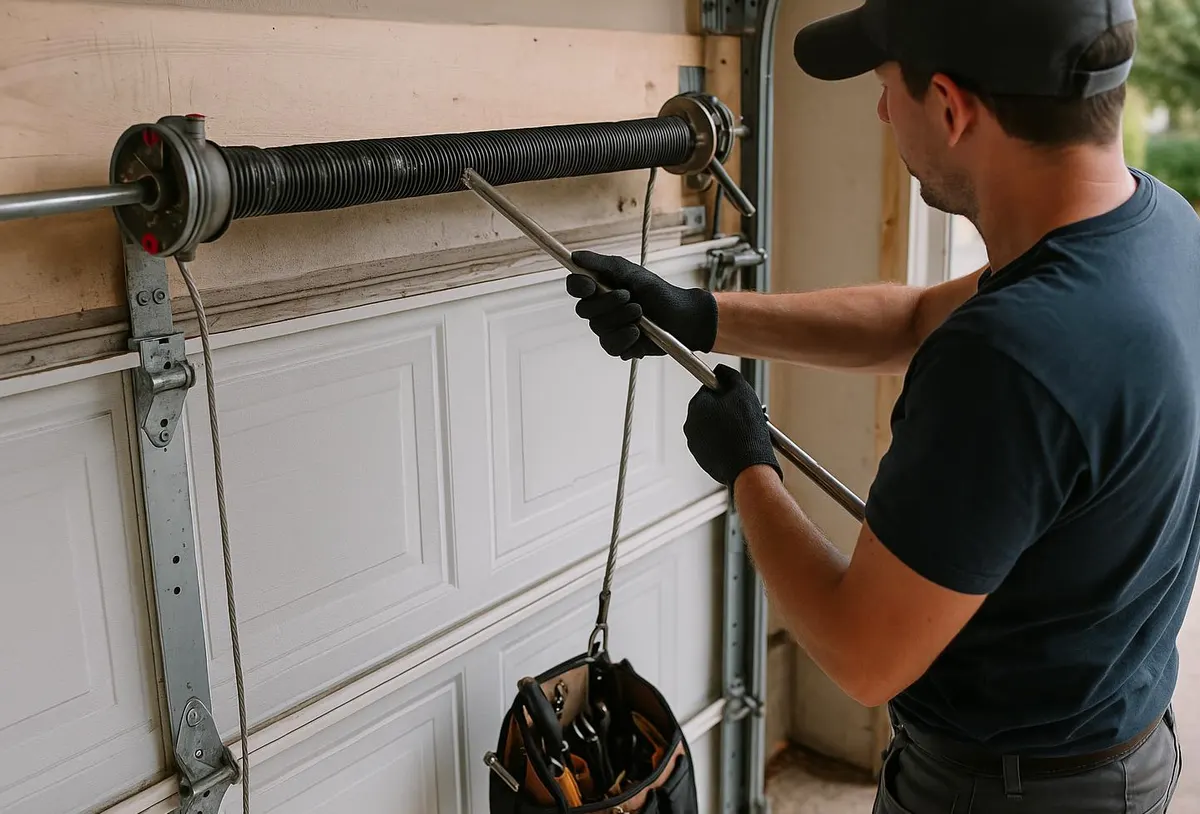
Disconnect the opener (pull the release cord) and lift the door manually about halfway. It should stay in place on its own. If it drifts down or feels unusually heavy, the springs are losing tension — something that tends to show up more as temperatures drop. Don't attempt to adjust or replace springs yourself; they're under heavy tension and can cause serious injury. If the balance feels off, that's a sign to get a technician out before the door puts added strain on the opener motor.
Give the Opener and Safety Sensors a Once-Over
Cold, damp mornings can cause minor condensation on the photo-eye sensors near the bottom of the track, which sometimes makes the door reverse unexpectedly or refuse to close. Wipe the sensor lenses clean and make sure they're still aligned — a sensor that's been bumped over the summer (by a bike, a ladder, anything stored in the garage) can cause headaches once you're relying on the door more during shorter, rainier days.
Think About the Bigger Picture
If your home has had seismic retrofit work done, it's worth a quick visual check that the garage door brackets and anchor bolts are still snug — ground settling and routine vibration can loosen hardware over time, and a loose bracket paired with a heavy, wet door is not a combination you want to discover during a storm.
When to Call Livermore Garage Door
If your door is unbalanced, the springs look stretched or gapped, or the opener is struggling more than it should, that's beyond a DIY fix. Livermore Garage Door offers garage door maintenance tune-ups that cover exactly this kind of seasonal check — lubrication, hardware tightening, sensor alignment, and a full balance test — plus spring replacement if your springs are past their useful life. We serve homeowners throughout Livermore, Pleasanton, Dublin, San Ramon, Danville, Tracy, Sunol, and Castro Valley, and we're glad to catch small issues before winter rain turns them into bigger ones.
Ready for winter? Call Livermore Garage Door today to schedule a pre-season maintenance check and keep your garage door running smoothly through the rainy months ahead.